Estate Waste Solutions for Sheldon Square and W2
Posted on 15/05/2026
If you manage, live in, let, or work around Sheldon Square and the wider W2 area, waste has a habit of becoming urgent at the worst possible moment. One overflowing bin store, a few abandoned furniture pieces, or a contractor leaving rubble behind, and suddenly the whole place feels untidy, awkward, and harder to run. Estate Waste Solutions for Sheldon Square and W2 are about more than removing rubbish. They are about keeping shared spaces presentable, safe, compliant, and easy to live with day after day.
That matters here because W2 has a mix of residential estates, managed blocks, offices, short-let turnover, and active refurbishment projects. The needs are different from a typical street property. You may need regular collection, one-off clearance, recycling support, or help with bulky items that simply will not fit in the lift. Truth be told, the best waste solution is the one that disappears into the background and makes everyone else's life smoother.
This guide breaks down how estate waste support works, who it helps, what to avoid, and how to choose the right approach for Sheldon Square and nearby W2 addresses. It also links into useful service pages and local context so you can move from "we need to sort this out" to a practical plan.

Why Estate Waste Solutions for Sheldon Square and W2 Matters
Shared buildings and estate settings create waste problems that are different from single-home cleanups. One resident may put out a flat-pack box. Another leaves a broken chair by the bin area. A contractor finishes work and forgets to remove plasterboard offcuts. Small things stack up fast. In a place like Sheldon Square, where appearances and access matter, clutter is rarely just clutter. It affects pride, safety, and how people experience the property.
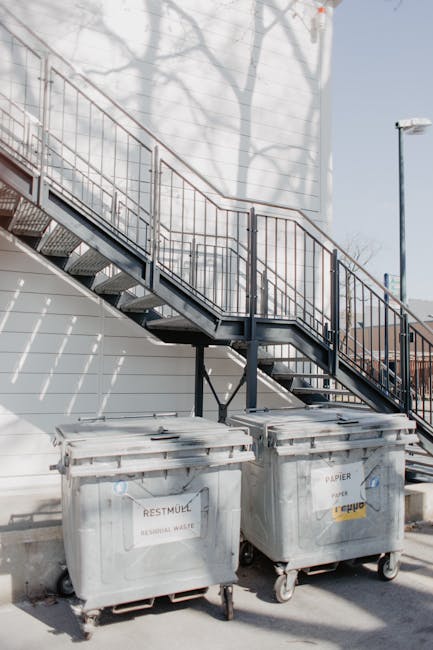
There is also the practical side. Estates often have narrow access routes, controlled entry points, lift restrictions, and limited storage for waste. If the wrong items are placed in the wrong area, collections become messy very quickly. A good estate waste arrangement keeps movement predictable. Staff know where items go. Residents know what to expect. Contractors know what they must remove. Simple, but not always easy.
W2 is also a busy urban postcode with varied property types, and that mix creates different waste streams. For example, a managed apartment block may need general rubbish and bulky furniture removal, while a nearby office may need desk disposal and confidential clearance support. If you want a broader picture of the local area and what makes it distinctive, the guide on Paddington's local character and rhythm gives helpful background.
To be fair, waste is one of those things people only notice when it goes wrong. But on an estate, getting it right quietly improves everything else. Better bin areas. Fewer complaints. Less time spent chasing missed clearances. And yes, a much better first impression for guests, buyers, tenants, or contractors walking through the building.
How Estate Waste Solutions for Sheldon Square and W2 Works
At its simplest, estate waste management is a coordinated system for removing unwanted material from shared or managed properties. That may include routine bin emptying, bulky waste removal, furniture disposal, post-tenant clearance, trade waste management, and recycling support. The process can be ad hoc or scheduled, depending on how the building operates.
A useful estate solution usually starts with a quick site understanding. What is being removed? How much volume is involved? Is there lift access? Are there time restrictions? Do items need sorting into recyclable and non-recyclable streams? Those details matter more than people think. A sofa on a ground floor hallway is one thing; the same sofa on the eighth floor with a narrow service lift is another story entirely.
Many estates in W2 benefit from a blended approach. Routine waste collections handle the predictable flow. Then occasional services cover spikes, like move-outs, refurbishments, or landlord clearances. If your estate sees a lot of turnarounds or office changes, a flexible provider is worth looking at. You can see how different service types fit together on the services overview page.
In practical terms, the workflow often looks like this:
- Identify the waste type and urgency.
- Check access, lifting needs, and any building rules.
- Separate reusable, recyclable, and general waste where possible.
- Arrange collection or clearance at a time that avoids disruption.
- Remove items safely and document the service if needed.
- Review what caused the waste buildup so it does not happen again.
That last step gets skipped all the time. Shame, really, because prevention is usually cheaper and less stressful than repeated clearouts.
Key Benefits and Practical Advantages
The obvious benefit is cleanliness. But the real value of professional estate waste support goes further than that. When waste is handled properly, the whole building feels more organised. Residents are less frustrated. Staff spend less time managing avoidable mess. And the property presents better to anyone coming through the door.
Here are some of the main advantages.
- Better appearance: Clean bin stores, corridors, and loading areas improve the feel of the whole estate.
- Safer shared spaces: Less trip risk, fewer blockages, and reduced fire load in communal areas.
- Faster turnaround after move-outs or works: Ideal for landlords, managing agents, and refurbishment teams.
- More recycling opportunities: Good sorting can keep reusable and recyclable items out of general waste.
- Less conflict: Clear systems reduce complaints between residents, contractors, and building teams.
- More predictable costs: Scheduled collections can be easier to plan than repeated emergency removals.
There is also an estate reputation angle. In a location like Sheldon Square, presentation matters. A tidy entrance or courtyard signals care. That can matter to residents, visitors, and even the wider perception of the building. If you are involved in property management, the related articles on real estate success in Paddington and property sales in Paddington are worth a look for broader context.
Expert summary: The best waste solution is rarely the cheapest one on paper. It is the one that prevents recurring mess, protects the building, and saves time for everyone involved. That is the bit people remember later.
Who This Is For and When It Makes Sense
Estate waste services are not just for large developments. They make sense for a wide range of people and situations around Sheldon Square and W2.
You may need this if you are:
- a managing agent overseeing communal bins, recycling, and bulk items
- a landlord preparing a flat or multiple units for new occupants
- a block resident dealing with large household items that cannot be left out casually
- a facilities or estate team coordinating contractor waste
- an office manager clearing desks, chairs, archiving, or surplus equipment
- a builder or refurbishment contractor needing legal, organised disposal support
It also becomes relevant at certain moments. End of tenancy. Renovation. Office downsizing. Post-event clear-up. Garden refresh. Major seasonal declutter. Or the classic one: everyone says "we'll deal with it next week" and next week becomes three weeks of bins overflowing.
If your building includes shared outdoor space, the needs can expand beyond standard refuse. You may need help with cuttings, planters, broken outdoor furniture, or general green waste. In that case, a dedicated service such as garden waste removal in Paddington may be more relevant than a standard bin uplift.
And if you are not sure whether you need a one-off clearance or a more regular arrangement, that is a good sign to pause and assess. Most people guess too low on volume. It happens. Bags multiply when nobody is looking.
Step-by-Step Guidance
If you want a cleaner, more manageable waste setup for Sheldon Square or any W2 estate, use a structured approach. Nothing complicated. Just a calm sequence that avoids rush decisions.
1. Walk the site first
Look at where waste builds up. Bin stores, service entrances, loading bays, plant rooms, communal corridors, and basement spaces often reveal the pattern quickly. Notice what is there now, not what people assume is there. Sometimes the real problem is not volume, it is poor placement.
2. Separate the waste types
Ask what is general rubbish, what can be recycled, what is reusable, and what may need special handling. A few minutes of sorting can make the clearance cheaper, tidier, and easier. Furniture, cardboard, metal, and mixed household waste each behave differently, if that makes sense.
3. Check access and timing
Shared buildings are all about timing. Lifts may be busy. Concierge teams may have windows for contractor arrivals. Neighbours may be sensitive to noise early in the morning. Plan collection around the building, not the other way around.
4. Choose the right service type
For recurring bin waste, regular collection is usually the answer. For sofas, mattresses, and unwanted furnishings, consider a dedicated furniture disposal service. If the issue is post-let or probate-related, house clearance support may be more appropriate. For office churn, a tailored office clearance service is often the cleanest route.
5. Confirm disposal and recycling expectations
Ask how items will be processed. Reputable providers should be transparent about reuse, recycling, and responsible disposal. That does not mean every item gets recycled, because some materials cannot be, but you should know the general approach.
6. Document what was removed
This is especially useful for managing agents, landlords, and commercial clients. A quick record helps with future planning, tenant handovers, and compliance questions. It also stops arguments later. Always helpful.
7. Review and adjust
After one service cycle, check what improved and what still causes friction. Maybe the bin store needs better labels. Maybe bulky waste is being left in the wrong place. Maybe residents need clearer instructions. Small changes can have a big effect.
Expert Tips for Better Results
From a practical point of view, the smoothest estate waste arrangements tend to be the ones that are boring in the best possible way. Predictable. Clear. Consistent. Here are a few tips that help more than people expect.
- Label storage points clearly. If residents or contractors are unsure where to place items, they will improvise. That never ends well.
- Keep bulky waste out of walkways. A corridor is not a waiting room for old chairs.
- Set a repeat rhythm. If a problem happens every fortnight, schedule around it instead of reacting each time.
- Use one point of contact. Too many coordinators creates confusion, especially in larger blocks.
- Plan for peak periods. End-of-month move-outs and refurbishment deadlines can create sudden surges.
- Match service to material. Heavy, awkward, or mixed waste often needs a different approach from standard household rubbish.
A small but useful habit: walk the bin area in the late afternoon, not just after a morning collection. That is usually when issues show themselves. A few flattened boxes leaning against the wall, a broken drawer nobody has claimed, that sort of thing. Not glamorous, but very real.
If your work includes contractor coordination, the page on builders waste disposal in Paddington is a practical next read. For businesses seeking a cleaner handover, the guidance on waste collection in Paddington may also help.
Common Mistakes to Avoid
Most waste headaches are not caused by one huge failure. They happen through little missteps that repeat. Here are the common ones.
- Underestimating volume: A single flat may produce more waste than expected during a clearout. Multiply that by a block, and the numbers get ugly fast.
- Mixing everything together: Recycling becomes harder when cardboard, food waste, furniture, and broken fittings are piled into one place.
- Leaving it until the last minute: Emergency clearances are usually more disruptive and less flexible.
- Ignoring access rules: A service vehicle or team may need advance arrangements for entry, parking, or lift use.
- Forgetting resident communication: If people do not know what is happening, they may keep adding to the pile or complain about noise.
- Choosing a service on price alone: Cheapest is not always best if it creates repeat problems or poor handling.
One more thing. Do not treat communal waste issues as cosmetic only. Blocked access, overloaded stores, and improper dumping can create real operational friction. It only takes one neglected corner to make the whole place feel difficult.
Tools, Resources and Recommendations
You do not need a complex system to manage estate waste well, but a few simple tools help a lot.
- Clear signage: Helps residents and contractors understand where items belong.
- Basic inventory notes: Useful for identifying recurring bulky waste or repeated contamination in recycling bins.
- Site photos: Before-and-after images can help with reporting and planning.
- Collection calendar: Keeps everyone aligned on recurring pickups and special clearances.
- Contact list: A short list of key people avoids delays when access or approvals are needed.
Useful supporting pages on this site include the pricing and quotes guide, which can help you think about scope before booking, and the about us page, which gives a better sense of the team behind the service. If safety and handled carefully matter to you, take a look at insurance and safety information as well.
For readers interested in responsible disposal and resource recovery, the page on recycling and sustainability is a solid companion. That is especially relevant if your estate wants to reduce landfill dependence and improve internal waste habits over time.
And, slightly off to one side but still useful, if your estate serves residents or visitors attending private functions nearby, the local piece on party venue highlights in Paddington shows how quickly event traffic can influence waste demands. A weekend event can make a Monday bin area look very different. Very different.
Law, Compliance, Standards, or Best Practice
Waste handling in the UK sits within a framework of legal and practical responsibilities, but it is best to be careful and specific. Exact obligations can vary depending on whether you are a resident, landlord, managing agent, contractor, or business operator. If you are unsure, get advice that matches your situation rather than guessing.
As a general rule, estate waste should be handled in a way that avoids fly-tipping, unsafe storage, blocked exits, and contamination of recyclable material. That means using reputable carriers, keeping clear records where appropriate, and following the building's access and disposal procedures. For commercial properties, extra care is often needed around duty of care, waste transfer paperwork, and contractor oversight.
Best practice usually includes the following:
- using licensed and insured waste providers where relevant
- keeping access routes clear for residents and emergency services
- sorting recyclable and non-recyclable materials where practical
- storing waste securely to reduce nuisance, pests, and unauthorised dumping
- documenting clearances for management records
It is also wise to align with the estate's own policies, lease terms, and building management rules. Those details can affect timing, storage, and acceptable disposal methods. If privacy, terms, or operational policies matter for your use case, the site's privacy policy and terms and conditions are available for review.
For businesses or property professionals, compliance is not just about avoiding trouble. It is about keeping the building easy to run. That is the real-world payoff.
Options, Methods, or Comparison Table
Different estate waste needs call for different methods. Here is a simple comparison to help you choose the right route.
| Method | Best for | Strengths | Things to watch |
|---|---|---|---|
| Scheduled bin collections | Ongoing household or communal waste | Predictable, low friction, easy to manage | Needs clear bin store rules and regular monitoring |
| Bulky item clearance | Sofas, mattresses, broken furniture, large household items | Quick removal, less strain on residents and staff | Access and lifting constraints can add complexity |
| House clearance | End-of-tenancy, probate, downsizing, major declutter | More comprehensive, useful for larger volumes | Needs planning and item sorting |
| Office clearance | Desks, chairs, archiving, equipment removal | Good for business turnover and refurbishments | May require coordination around business hours |
| Builders waste removal | Refurbishment debris, packaging, mixed site waste | Helps keep projects safe and on schedule | Heavier materials and access needs must be planned |
There is no single best option for every building. A tidy residential block may only need routine support and occasional furniture pick-up. A mixed-use property might need three different approaches at once. Annoying, yes. But manageable with the right plan.
Case Study or Real-World Example
Imagine a managed apartment block in Sheldon Square after a weekend of resident move-outs. In the bin store, there are flattened cardboard boxes, a broken bedside table, a bag of mixed rubbish, and two items left beside the lift because they were too awkward to move alone. The concierge team is already fielding questions. Residents want to know whether the items are being collected. The building team wants the area clear before the Monday morning rush.
A sensible estate waste response would be straightforward. First, identify the bulky items and separate recyclable cardboard from mixed waste. Next, confirm access and collection timing so the service does not clash with peak movement in the building. Then arrange the removal with a provider that can handle both household and furniture waste in one visit if possible. Finally, review the bin store layout and remind residents where larger items should be placed in future.
What changes after that? The lift lobby stops looking like a temporary storage room. The bin area is easier to use. Staff spend less time sending messages and more time doing normal work. Nothing dramatic. Just a quieter building. And honestly, that is often the best result.
For a broader sense of how local homes and property decisions shape service needs, the article on whether Paddington is worth living in offers a useful resident perspective. It is not about waste directly, but it helps explain why practical estate services matter so much in dense, well-used neighbourhoods.
Practical Checklist
Use this checklist before arranging estate waste support for Sheldon Square or anywhere in W2.
- Confirm the exact waste type and estimate the volume.
- Check access routes, lift size, parking, and timing restrictions.
- Separate bulky items from general rubbish where possible.
- Identify anything recyclable or reusable.
- Inform residents, staff, or contractors about the collection window.
- Make sure items are placed in the correct pickup area.
- Review any estate rules, lease conditions, or building procedures.
- Choose a service matched to the material, not just the price.
- Keep a note of what was removed for future reference.
- Inspect the area afterwards and fix any recurring issue at source.
Quick takeaway: the more clearly you prepare the site, the smoother the clearance will be. It really is that simple, even if the building feels a bit chaotic on the day.
Conclusion
Estate Waste Solutions for Sheldon Square and W2 are about creating a cleaner, calmer, better-managed environment in one of London's busiest and most varied pockets. Whether you are dealing with a one-off clearout, regular communal waste, furniture disposal, or contractor debris, the key is to match the service to the building, the access, and the actual waste stream.
Done properly, waste management becomes almost invisible. That is the goal. Residents notice the order, staff feel less pressure, and the estate simply works better. Not flashy. Just effective. And in a place like W2, that counts for a lot.
If you are planning a clearance or want a clearer idea of the most suitable service for your property, start with a proper quote and a quick review of the site needs. Small preparation now can prevent a lot of hassle later.
Get a free quote today and see how much you can save.
And if you get the basics right, the whole place feels lighter the next morning. That's the bit worth aiming for.

 Tipper Van - Rubbish Removal and Waste Collection Prices in Paddington, W2
 Luton Van - Rubbish Removal and Waste Collection Prices in Paddington, W2


