Westminster Council Rubbish Rules for Paddington Residents
Posted on 10/06/2026
If you live in Paddington, rubbish rules can feel oddly complicated for something as ordinary as taking the bins out. One week it is recycling, the next it is bulky waste, then there is the awkward question of what to do with builder's rubble, a broken wardrobe, or a bag that missed collection day. The reality is simple enough, though: Westminster Council rubbish rules for Paddington residents are there to keep streets cleaner, waste safer, and collections running smoothly. Know the basics, and life gets a lot easier.
This guide breaks down the practical side of rubbish disposal in Paddington in plain English. You will learn how the system works, what usually causes problems, how to avoid unnecessary hassle, and when a private collection service may be the calmer option. If you are also comparing disposal choices for a flat move, a refurbishment, or a garden clear-out, you may find it helpful to read this clear pricing guide for W2 rubbish charges alongside the advice below.
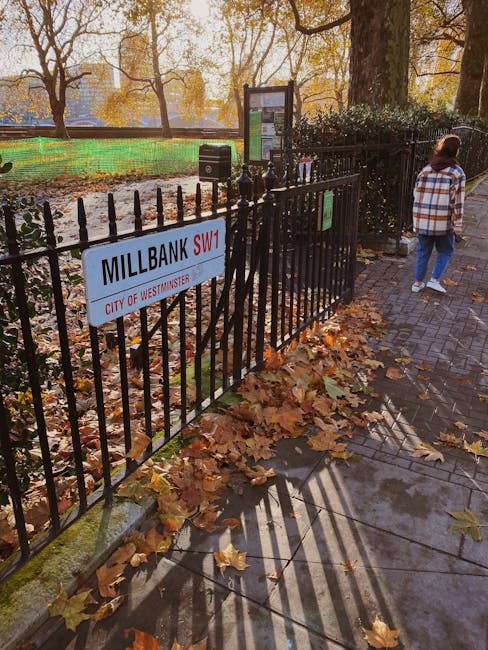
Why Westminster Council Rubbish Rules for Paddington Residents Matters
Paddington sits in a busy part of London where bin stores, pavements, shared entrances, and narrow service spaces can make waste collection feel more sensitive than in a suburban street. That is why the rules matter. If rubbish is put out early, left in the wrong container, or mixed incorrectly, it can attract pests, block access, or simply sit there looking messy. No one wants that smell drifting through a hallway on a warm day.
There is also a practical side. When waste is sorted properly, collections are faster, recycling is cleaner, and residents avoid the sort of avoidable issues that lead to complaints or missed pick-ups. In a dense area like Paddington, even a small mistake can affect neighbours, building managers, and cleaners. To be fair, most problems are not caused by bad intentions. People are simply busy, new to the area, or unsure which bin is for what.
For residents, landlords, letting agents, and block managers, understanding the council approach saves time and stress. It also helps when you are dealing with a larger clear-out, which is where local services such as house clearance in Paddington or furniture disposal in Paddington can be a better fit than trying to handle everything through ordinary household bins.
How Westminster Council Rubbish Rules for Paddington Residents Works
The basic idea is straightforward: different types of waste should go into the correct containers and be presented for collection in the way expected for your property. In a house, that may mean a set of bins or sacks. In a flat, it may mean communal bin stores, labelled recycling containers, or timed collection arrangements. The exact setup depends on the building, but the logic stays the same.
Here is the part people often miss: waste rules are not just about what goes in the bin. They are also about timing, presentation, and separation. A bag left out too early can become a problem. A cardboard box left unflattened can take up too much space. A food-stained takeaway box can contaminate a recycling load. Small things. They add up.
Paddington residents usually need to think in these categories:
- General rubbish for non-recyclable household waste.
- Dry recycling such as clean paper, cardboard, plastic packaging, cans, and glass where accepted.
- Food waste where a separate collection or system is provided.
- Bulky items such as beds, wardrobes, sofas, and mattresses.
- Special waste such as electricals, paint, batteries, or construction debris.
If you are sorting waste during a move or renovation, it may help to compare your options using the site's services overview and the practical guidance on recycling and sustainability. Both are useful when you want to avoid turning one cleared room into three accidental piles of mixed waste. Happens more often than people think.
What usually causes confusion
In Paddington, the most common confusion points are shared bins, mixed recycling, bulky waste, and disposal after building work. People also worry about whether an item is allowed in a normal collection or whether it needs a specialist pickup. The answer is usually in the item itself. If it is large, hazardous, messy, or heavy, assume it needs a separate route until you have checked.
Key Benefits and Practical Advantages
Following the rules is not just about avoiding a warning or keeping neighbours happy, though both matter. It also makes your routine smoother. Once you know where things go, waste day stops feeling like a guessing game. That alone is a relief, especially in a busy flat where the bin cupboard is always one half-full bag away from chaos.
Some of the biggest practical benefits include:
- Cleaner communal areas with fewer stray bags and overflow problems.
- Lower contamination risk in recycling, which helps collections work properly.
- Less pest attraction from food waste or bags left out too soon.
- Fewer disputes in shared buildings about who dumped what, and when.
- Smoother move-outs and refurbishments when bulk waste is planned rather than left until the last minute.
There is another benefit people underestimate: peace of mind. If you know the rules, you do not have to stand outside with a bin bag at 7:45am wondering whether you have made a mistake. That is especially useful for renters, busy professionals, and landlords who are trying to keep a property presentable between tenancies.
For larger projects, you may also want to compare straightforward collection options with specialist clearance help. If that is your situation, the article on bulky waste and furniture disposal options is a sensible next read.
Who This Is For and When It Makes Sense
These rules are relevant to more people than you might expect. Yes, they matter to everyday residents. But they also matter to anyone who manages space, waste, or turnaround in Paddington.
You will especially benefit if you are:
- a tenant in a flatshare or apartment block
- a homeowner doing a room clear-out
- a landlord preparing for new occupants
- a letting agent trying to leave a property tidy and compliant
- a building manager overseeing communal bin areas
- someone renovating a kitchen, bathroom, or whole flat
- a business owner or office manager dealing with routine disposal
It also makes sense to understand the rules before a seasonal clean-up. Late spring and early autumn are common times for it. You open a cupboard, spot old cables, dry paint cans, and a chair no one wanted, and suddenly the place looks like it has been hiding a small museum of forgotten things.
If your clean-up is more commercial than domestic, the guidance on office clearance in Paddington is worth a look. It is a different kind of job, and the waste mix changes quickly.
Step-by-Step Guidance
If you want to stay on the right side of the rules without overthinking it, use this process.
- Sort your waste by type. Separate general rubbish, recycling, food waste, electrical items, and anything bulky.
- Check what is actually recyclable. Clean, dry items usually do better than greasy or food-covered materials.
- Flatten cardboard and reduce volume. It is a tiny job that makes a noticeable difference in shared bins.
- Keep waste inside until the right time. Do not leave bags out too early or on the wrong day.
- Use the correct container or collection method. Mixed waste in the wrong bin is the fastest way to create problems.
- Plan a separate route for bulky or awkward items. Sofas, wardrobes, mattresses, and builder's waste rarely belong in normal household collections.
- Book help for large clearances early. Do not wait until the hallway is full.
That last step sounds obvious, but it saves a lot of grief. A flat move, for example, can go from tidy to stressful in a matter of hours. If you know you will need disposal support, arrange it before boxes are stacked in the corridor and the lift starts groaning every time someone moves a chair.
For waste generated by home improvement work, it helps to read more about builders waste disposal in Paddington. Construction debris is not the same as household rubbish, and treating it like it is usually backfires.
Expert Tips for Better Results
The cleanest waste systems are usually the simplest ones. The trick is building habits that are easy to repeat, not heroic efforts you abandon after one week.
1. Keep a small sorting station at home.
One box for batteries, one for cables, one for donation items, one for recycling. It sounds boring. It works.
2. Treat food waste like a timing issue, not just a bin issue.
In warm weather, even a small amount can become unpleasant fast. Wrap it properly and move it out on schedule.
3. Separate "maybe useful later" from actual waste.
Truth be told, a lot of clutter is just delayed decision-making. If you have not used it in a year and would not buy it again, it is probably taking up rent.
4. Use a proper solution for large disposal days.
A single overloaded car trip or an illegal pavement dump is never worth the short-term convenience.
5. Ask about access before you book removal help.
Paddington buildings can be tight on stairwells, lifts, loading bays, and parking. Access matters more than people think.
For readers juggling cost and convenience, there is a useful overview on pricing and quotes. If you are trying to decide whether a pickup or a larger clearance is better, it helps to compare the likely workload rather than guessing.

Common Mistakes to Avoid
Most waste problems in Paddington come from a few repeated mistakes. None of them are dramatic on their own. Together, though, they create the messiest situations.
- Putting items out too early. This is one of the quickest ways to create street clutter.
- Mixing recyclables with food waste. A greasy pizza box can spoil a whole batch of otherwise useful recycling.
- Leaving bulky items in communal areas. Hallways are not storage, even if it feels temporary.
- Ignoring building-specific rules. Shared properties often have their own bin arrangements on top of council guidance.
- Assuming all "rubbish" is handled the same way. It is not. Electricals, paints, mattresses, and builder's debris are different categories.
- Waiting until the last minute. This one causes nearly all the stressful calls.
A slightly awkward but common example: someone clears out a flat, leaves a broken chair beside the bins, then adds a bag of mixed waste, then a cardboard box, and by the end the bin area looks like a mini fly-tip. Nobody planned for that. But it happens.
If you want to avoid that kind of scramble near busy transport routes and dense blocks, these waste clearance tips near Paddington Station can help you think a step ahead.
Tools, Resources and Recommendations
You do not need special equipment to manage waste well, but a few simple tools make life easier.
- Sturdy bin liners for preventing leaks and split bags.
- A label system for shared homes or block storage areas.
- Reusable boxes for sorting recycling or donation items.
- Basic gloves for handling sharp or dusty items during clear-outs.
- A tape measure when checking whether bulky furniture will fit through doors or stairwells.
Recommendations from experience? Keep a "donation" bag running in the background. It reduces clutter before it gets dramatic. Also, make one person responsible for collection-day prep in shared homes. Not forever, just enough to keep the process tidy.
If your waste is linked to a larger estate or block-level clear-out, the article on estate waste solutions for Sheldon Square and W2 is useful for thinking about access, timing, and building logistics. For people who want a deeper sense of the wider service approach, the about us page can also help build trust before you book anything.
Law, Compliance, Standards, or Best Practice
For waste in Paddington, the safe approach is to follow council instructions, building rules, and accepted UK waste-handling practice. If something is not clear, do not guess. That applies especially to electrical items, chemicals, sharp materials, and anything from a renovation or clearance job.
Good practice usually includes:
- keeping waste separated by type
- not obstructing pavements, entrances, or shared access routes
- avoiding contamination in recycling streams
- using approved disposal routes for bulky or specialist items
- treating waste carriers and clearance providers carefully, with proper checks on reliability and safety
There is also a responsible handling side to this. If you are hiring a collection service, it is sensible to review insurance and safety information, along with business policies where relevant. That is especially true when items are heavy, awkward, or being removed from upper floors. Safety is not a bonus. It is part of the job.
For readers who want to compare the practical side of service arrangements, the insurance and safety page and the payment and security page are useful trust signals. And if you value transparency around service terms, the terms and conditions are there for exactly that reason.
Options, Methods, or Comparison Table
Different waste situations call for different approaches. Here is a practical comparison to help you choose.
| Option | Best for | Pros | Limitations |
|---|---|---|---|
| Routine council-style household disposal | Everyday rubbish and recycling | Simple, regular, familiar | Not suitable for large, awkward, or specialist waste |
| Bulky item collection | Furniture, mattresses, large household items | Better for oversized waste, less physical strain | Needs planning and may not suit mixed loads |
| Private waste collection | Mixed or time-sensitive clear-outs | Flexible, fast, convenient | May cost more than ordinary collection routes |
| House clearance | Moves, probate, downsizing, full property emptying | Covers a lot in one visit, less disruption | Needs clear access and good item sorting |
| Builders waste disposal | DIY, refurbishment, renovation debris | Handles heavier and messier material properly | Requires separation from domestic rubbish |
In practice, most Paddington residents use a mix of these. A normal week uses the household bins. A sofa removal needs something else. A renovation needs something more structured again. That blend is normal. Nothing wrong with it.
Case Study or Real-World Example
Imagine a couple moving out of a Paddington flat after four years. They have a broken chest of drawers, two large suitcases full of old books, a mattress, and a pile of mixed recycling from packing. At first, they think they can just "deal with it on moving day." That plan lasts about ten minutes.
What usually works better is a simple sequence. They sort what can be reused, separate recycling, identify bulky waste, and arrange collection before the final handover. The result? Less pressure on the day, fewer items left in the hallway, and a cleaner exit for the letting agent or landlord.
That kind of planning is particularly useful in blocks around busy parts of W2, where access can be tight and shared spaces fill up quickly. If the waste is tied to a move or a property sale, a broader guide such as real estate sales in Paddington can also help you think through the presentation and clearance side of the process.
Another common scenario is a small office refreshing desks and storage. The waste looks harmless until you add it up: packaging, monitors, cables, old chairs, and paper files. That is the point where a coordinated collection is far less painful than several back-and-forth trips. We have all seen the "I'll do it later" pile. It grows legs.
Practical Checklist
Use this checklist before collection day or before you set waste outside.
- Have you sorted rubbish, recycling, food waste, and bulky items separately?
- Are all bags tied securely and free from leaks?
- Have you flattened boxes and reduced unnecessary volume?
- Are you sure the items are allowed in the collection route you plan to use?
- Have you kept waste indoors until the correct time?
- Is the bin area clear for neighbours and building staff?
- Do any items need specialist disposal because they are heavy, sharp, electrical, or contaminated?
- Have you checked access, lift size, stair space, and parking if a collection team is coming?
- Have you set aside donation or reuse items before treating everything as waste?
- Do you know who will be responsible for taking the final bags out, if needed?
That last one sounds almost too simple, but in shared flats it makes a real difference. Someone always assumes someone else has done it. Then the evening gets weird.
Get a free quote today and see how much you can save.
Conclusion
Westminster Council rubbish rules for Paddington residents are not really about making life harder. They are about keeping a dense, active neighbourhood clean, safe, and manageable. Once you understand the basic categories, the timing, and the difference between everyday rubbish and bulky or specialist waste, the whole system becomes much easier to live with.
The best approach is simple: sort early, keep access clear, avoid contamination, and choose the right disposal route for the job in front of you. A bit of planning now saves a lot of irritation later. And in Paddington, where people are busy and space is often tight, that matters more than most people realise.
Take it one step at a time. The system is manageable. Really, it is.
 Tipper Van - Rubbish Removal and Waste Collection Prices in Paddington, W2
 Luton Van - Rubbish Removal and Waste Collection Prices in Paddington, W2


